History
The story of The Lawn
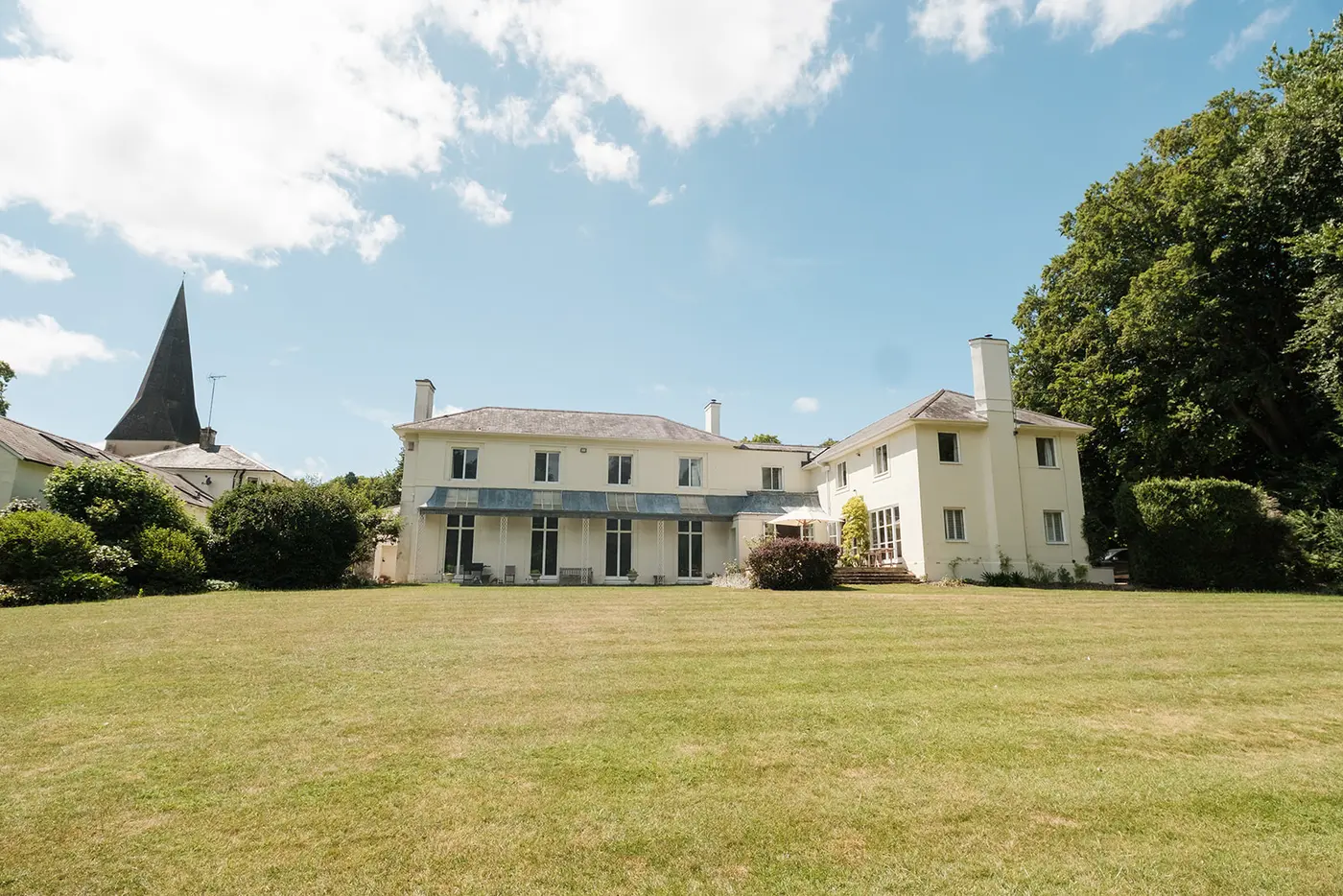
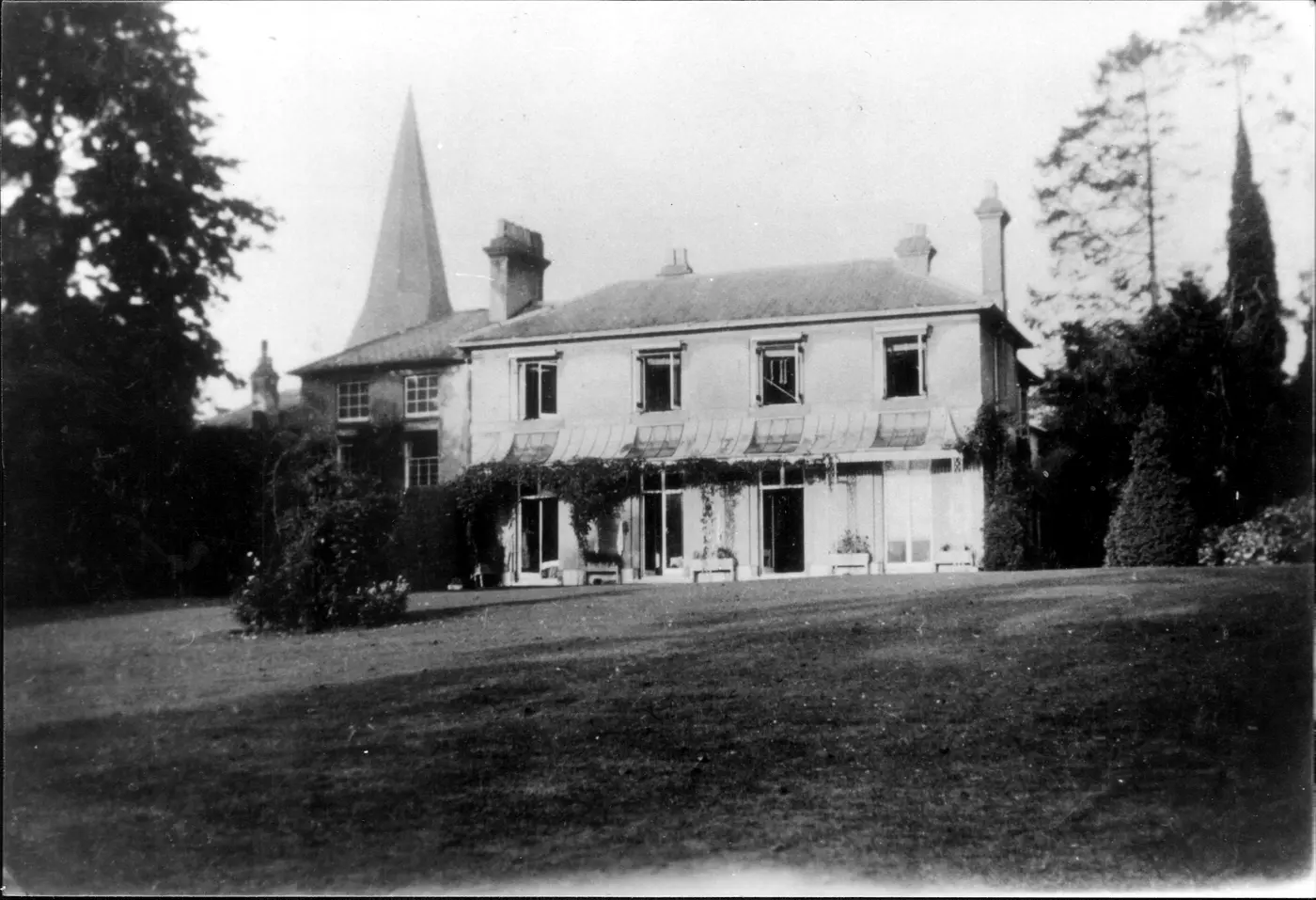
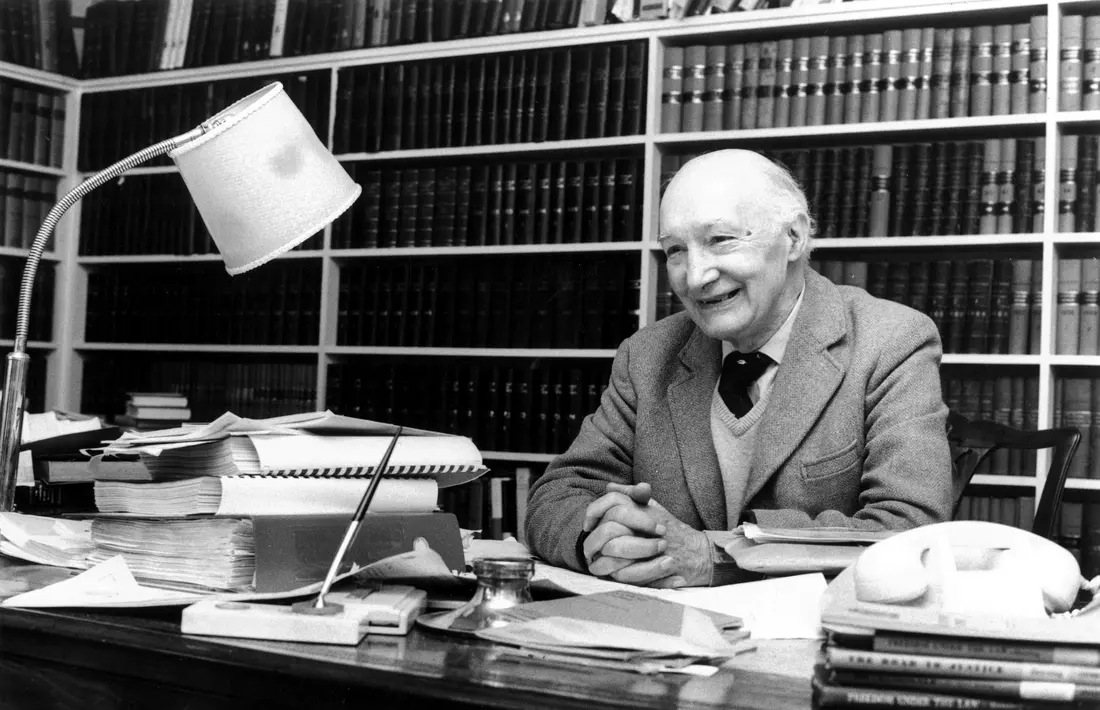
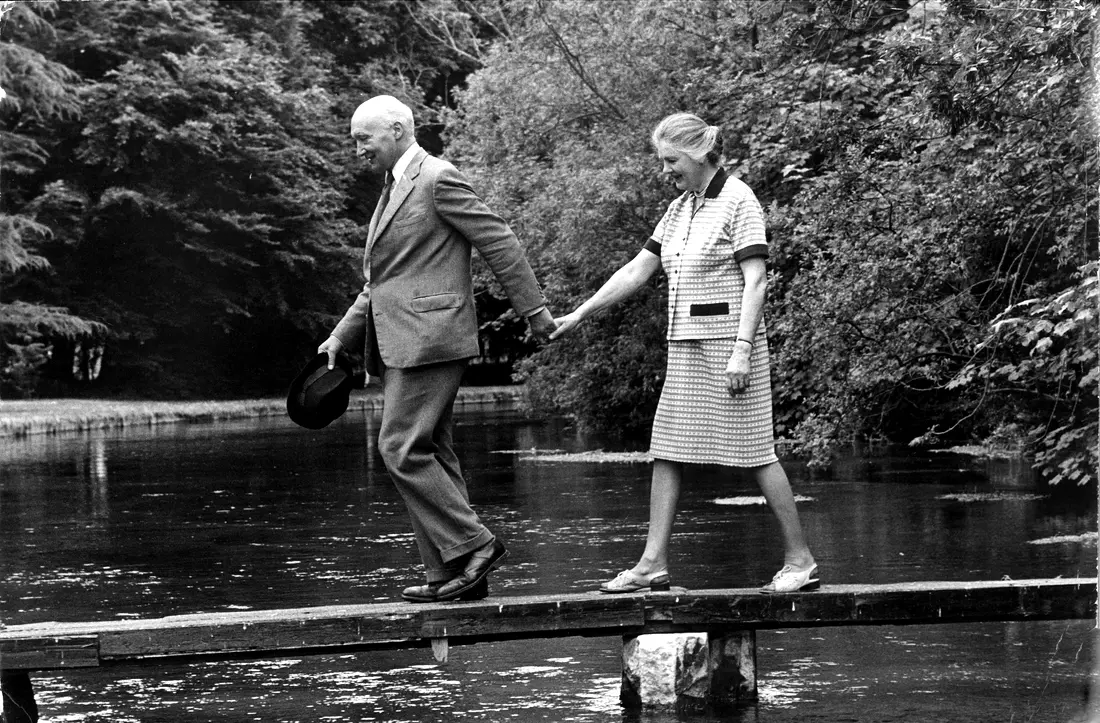
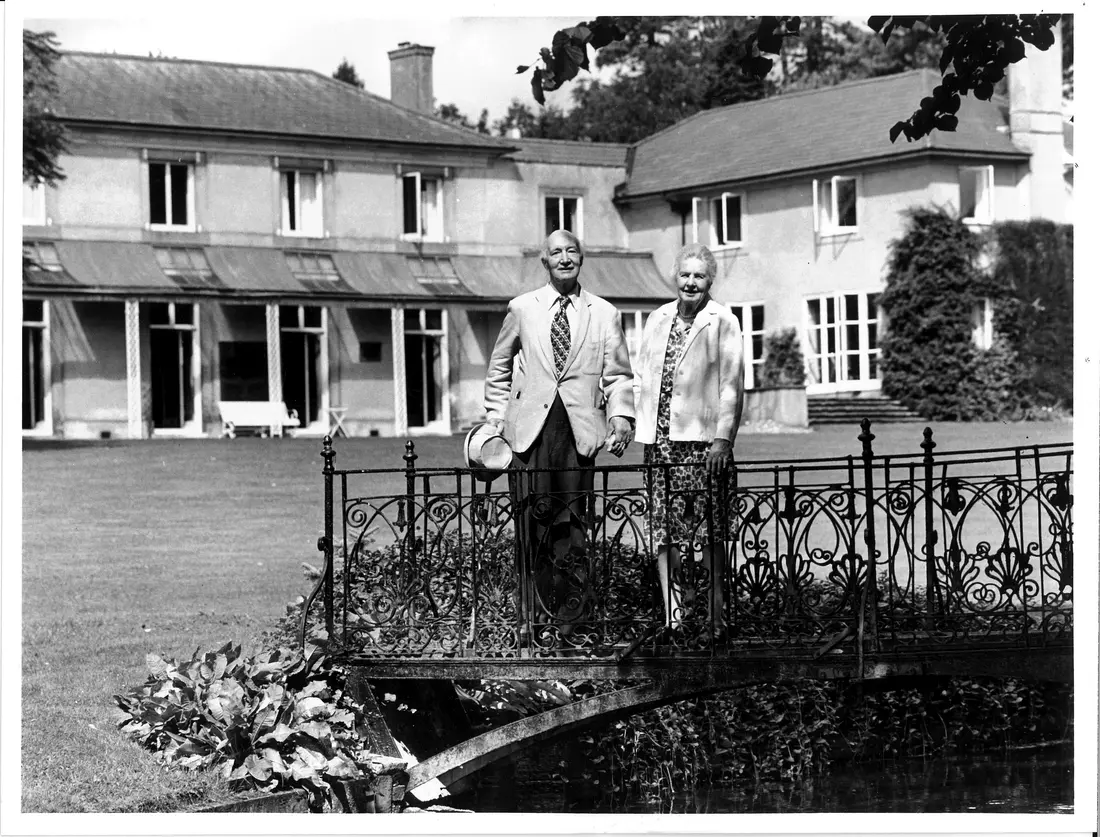
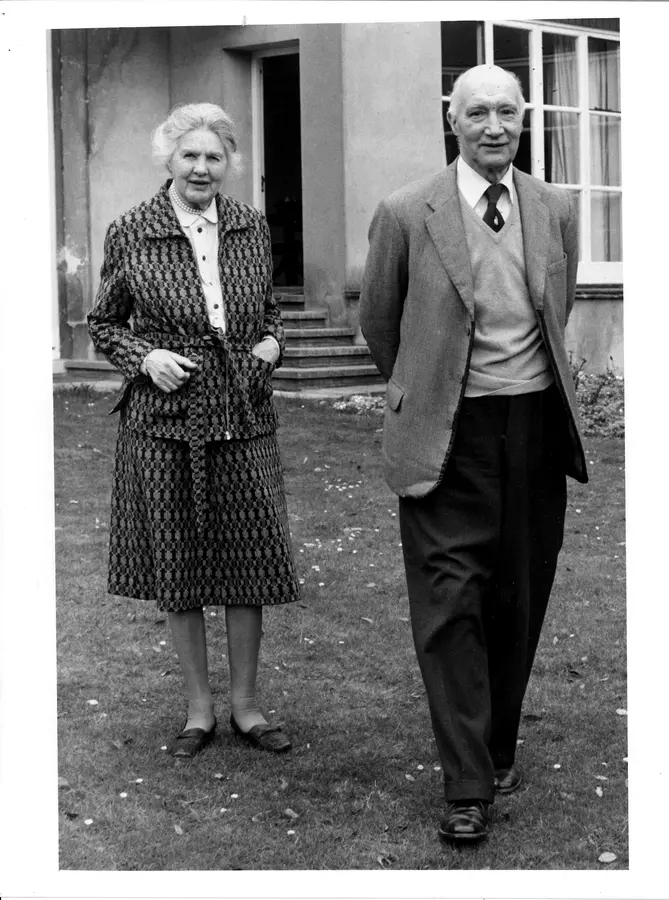
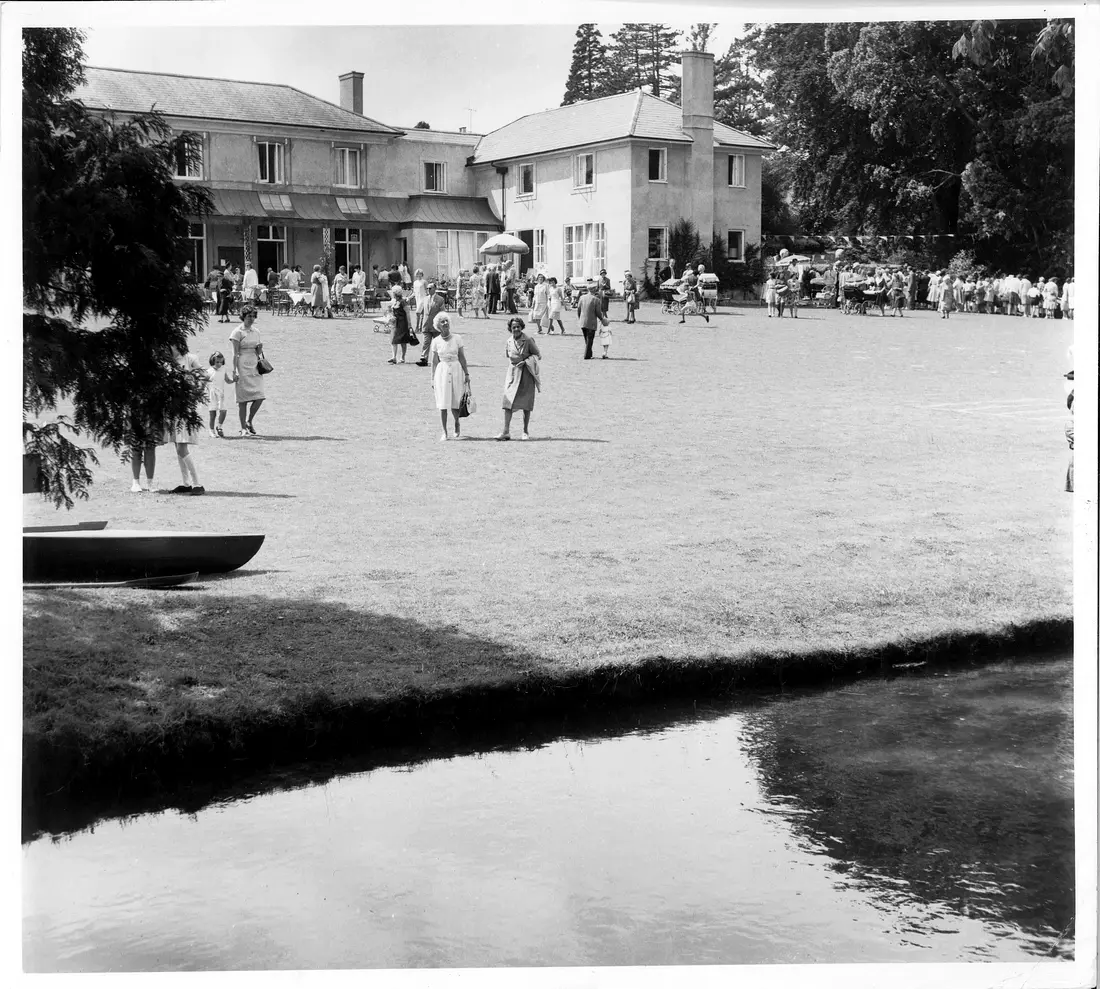
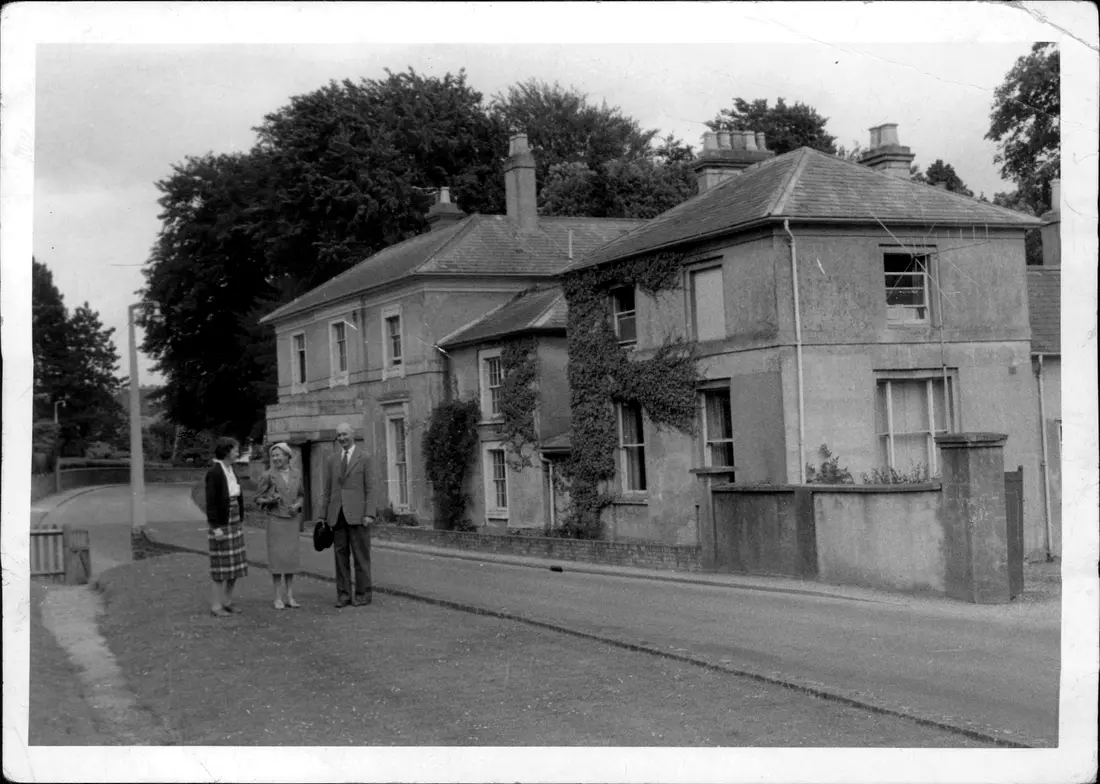
For almost forty years The Lawn was the home of Lord Denning, Master of the Rolls, who was born a few hundred yards away in the centre of Whitchurch. These photographs come from the family archive.
Lord Denning's home for almost forty years
Tom Denning, the best-known English judge of the twentieth century, was born in Whitchurch in 1899. In 1962, the year he became Master of the Rolls, he came home to The Lawn, and he lived here until his death in 1999 at the age of 100. His library is still lined with the law reports he worked from.

1963
The Profumo affair and the Denning Report
Within a year of coming to The Lawn, Lord Denning was handed one of the most talked-about inquiries of the century. In 1963 John Profumo, the Secretary of State for War, admitted that he had lied to the House of Commons about his relationship with Christine Keeler, and resigned. With rumours of a security risk and of further scandal swirling around the government, the Prime Minister, Harold Macmillan, asked Denning, then Master of the Rolls, to investigate.
His report, published that September, caused a sensation. People queued through the night at the government bookshop to buy a copy: around 4,000 sold in the first hour and about 100,000 within days, extraordinary sales for an official report.
He concluded that there had been no breach of national security, and placed most of the blame on the osteopath Stephen Ward. Critics at the time called the report a whitewash, a charge Denning always rejected, and historians still debate it today. Either way, it made him a household name.
- Denning becomes Master of the Rolls
- Profumo tells the Commons there was no impropriety in his friendship with Christine Keeler
- Profumo admits the statement was untrue and resigns
- Macmillan asks Lord Denning to inquire into the affair
- The Denning Report is published, and sells around 100,000 copies within days
Lord Denning's library is still lined with his law reports, and guests can use it as a reading room or meeting room.